Some souvenirs are worth looking at before they are opened. A small parcel wrapped in cloth offers color, texture and a knot to undo slowly. If you notice one while browsing Korean crafts, the word to remember is bojagi (보자기). This is a cultural introduction and a shopping checklist, not a report of a personal visit or a recommendation for a particular shop.
More than a decorative parcel.
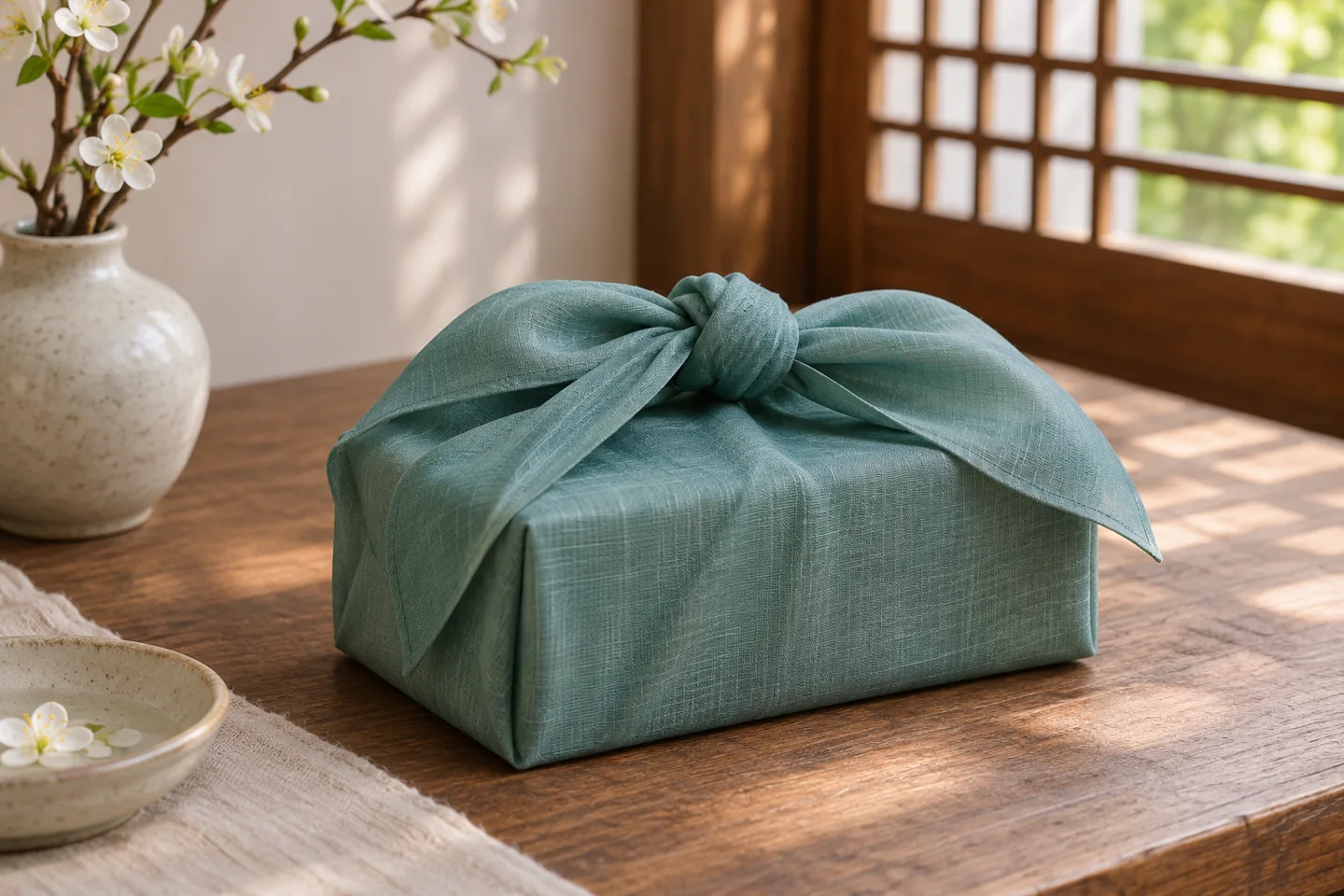
The National Folk Museum of Korea describes bojagi as cloth used to wrap objects for carrying, storage or gift-giving. Its history includes both everyday tasks and ceremonial uses: the same broad idea could serve household belongings or an elaborate present. A cloth does not have to be patchwork to belong to this tradition.
Visit Seoul presents gift-wrapping as a way of conveying good fortune as well as making a gift attractive. That is cultural context, rather than a promise attached to every knot or color. For a traveler, it also offers a simple change of perspective: the wrapping can be something the recipient keeps.
Look closely at the cloth.
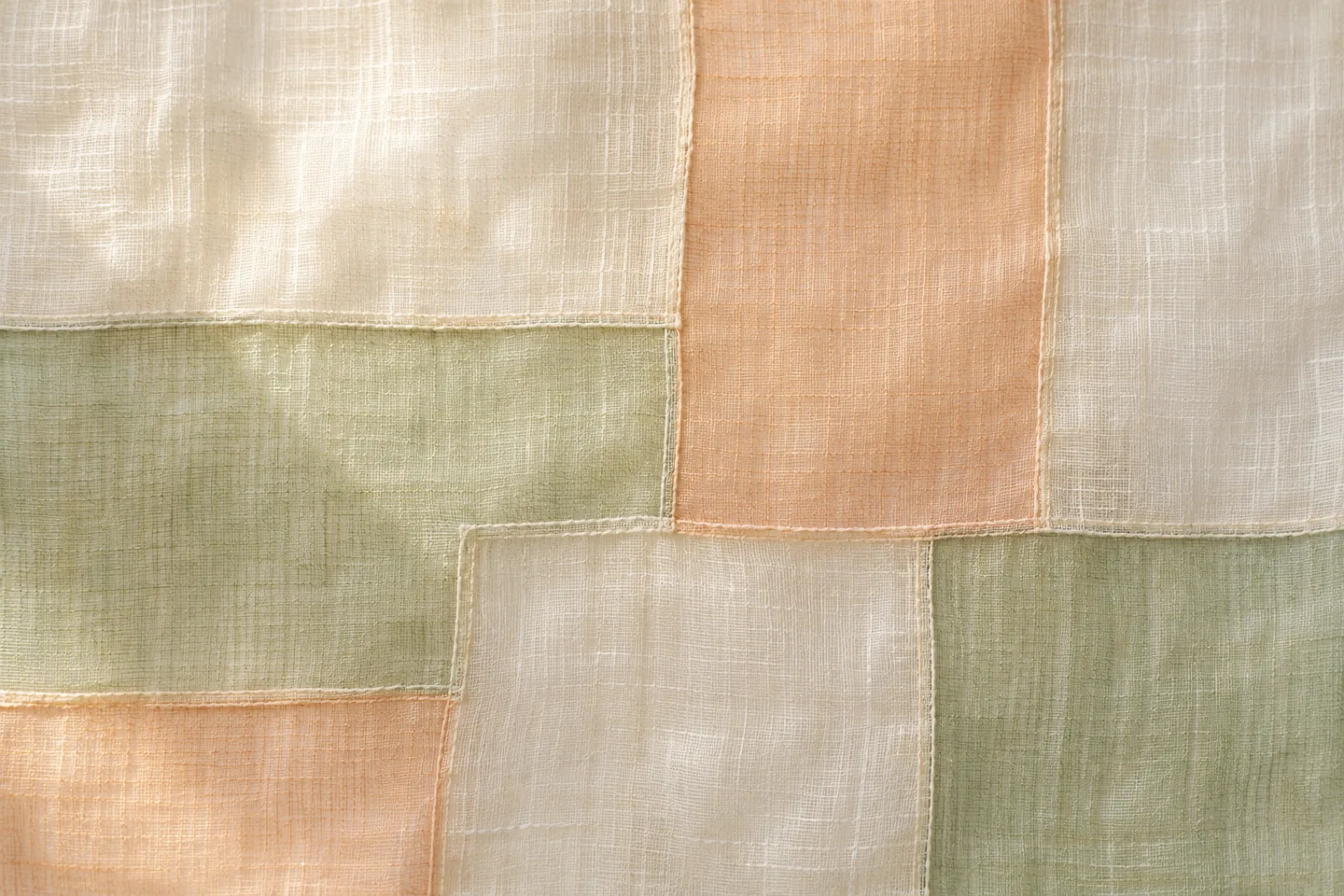
The museum distinguishes jogakbo, patchwork assembled from fabric pieces, from subo, embroidered wrapping cloth. Look at how the joins, surfaces and edges contribute to the design. The useful distinction is between different ways of making a cloth, not between one supposedly authentic appearance and everything else.
A specific object can tell a more particular story. The Metropolitan Museum of Art records a twentieth-century Korean silk bojagi decorated with gold leaf, probably used for a wedding gift. That example reminds us to ask about the individual cloth: its material, decoration and intended use. It would be misleading to assign its wedding associations to every contemporary souvenir.
Choose for the object you want to wrap.
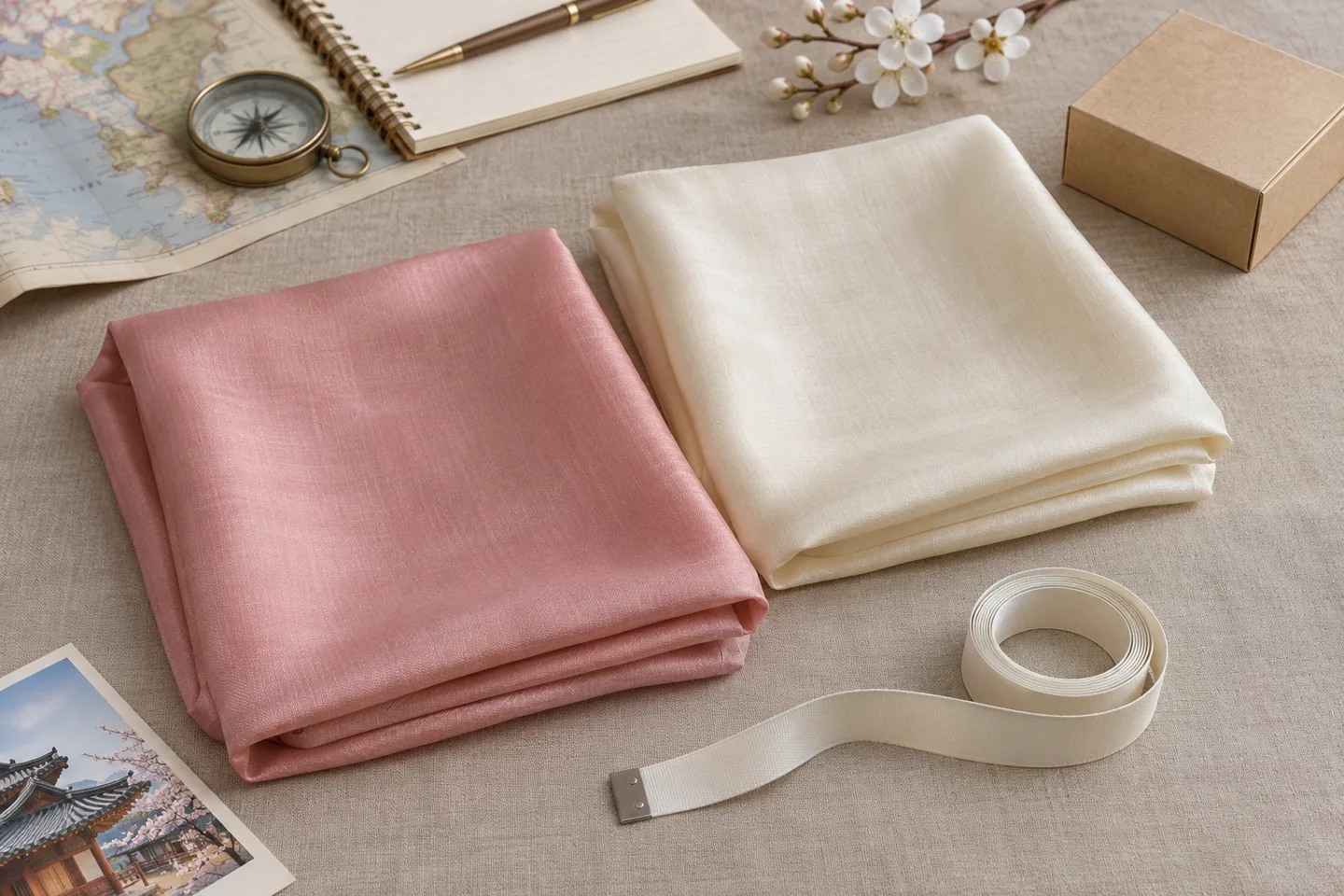
Before buying, think about the size and shape of the gift. Ask the seller to demonstrate whether the cloth will comfortably cover it and still leave enough fabric to tie. If you are choosing the cloth as the gift itself, ask for its dimensions and fiber content, and whether it is intended for everyday wrapping or decorative use.
A few practical questions help: Is it handmade or machine-made? Where was it made? What care does the fabric need? Are a box and wrapping demonstration included? These are questions to ask, not assumptions about a product. Compare the actual price and finish in front of you; an old tourism listing cannot confirm current stock or workshop availability.
Bring home the cloth, and the idea.
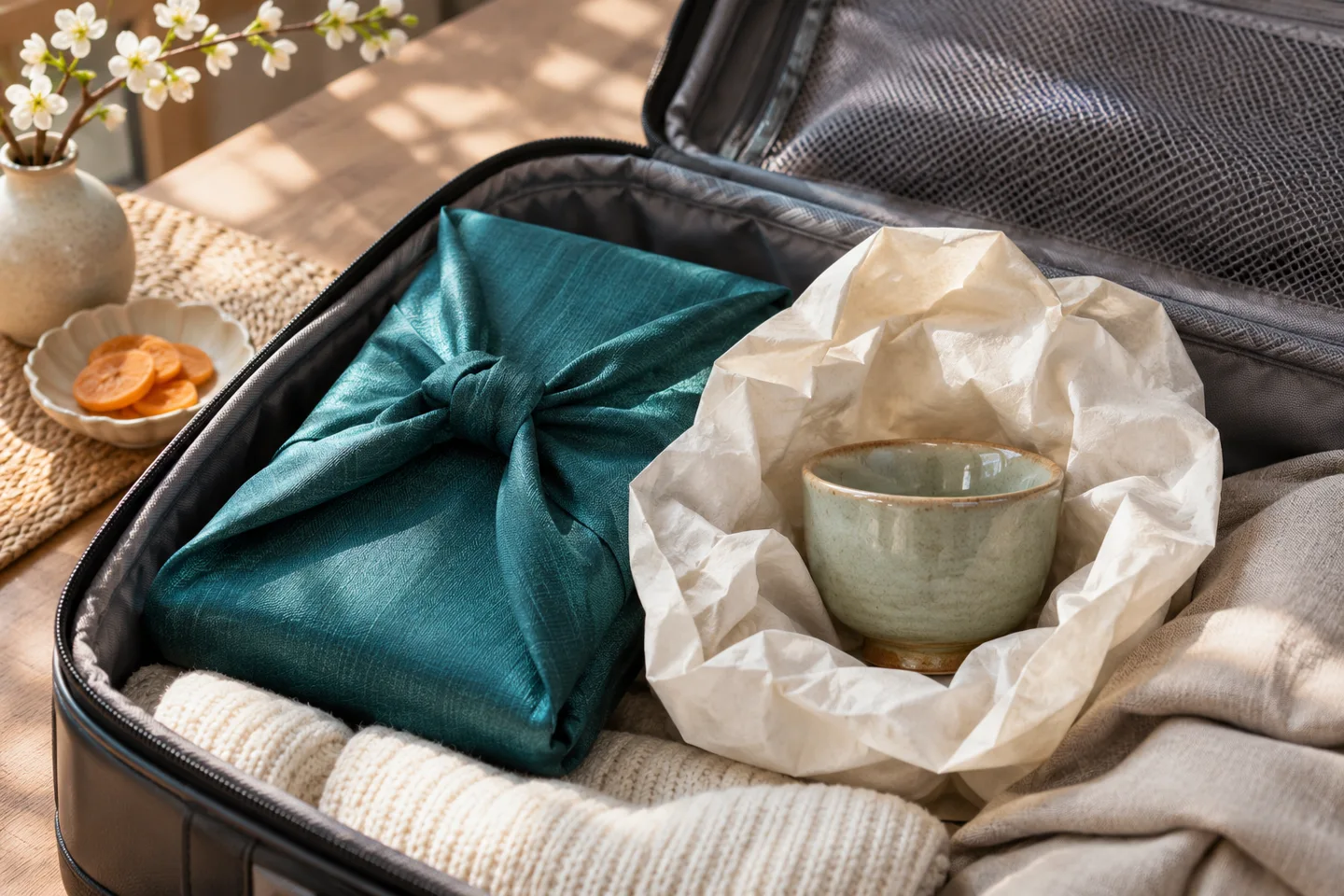
A cloth can fold into a small space, but a fragile gift still needs suitable protection. Keep the seller’s care instructions and allow for the object inside when planning your luggage. A decorative wrap should not be treated as a substitute for protective packaging.
If you want to learn a wrapping method, ask about a current class or demonstration and check the language, duration, materials and booking conditions directly with the organizer. Visit Seoul’s older feature describes this kind of experience, but it is not a live timetable.
There is no need to choose the most elaborate knot. A cloth you understand and can use again may be a more lasting reminder than a parcel you are afraid to open.
Sources & image note
Sources checked November 29, 2026. Museum records support the cultural background; the Visit Seoul feature was published in 2020 and edited in 2021, and is not used to confirm current classes, prices or hours. The shopping and packing suggestions are general planning advice. All four images are AI-generated conceptual illustrations, not photographs of real shops, available products, museum artifacts or personal experiences.