Not every stop on a trip needs an itinerary. A convenience store can fit into the space between a train ride and a walk, or help when you want something smaller than a restaurant meal. This guide introduces a few food names and practical questions for a first visit. It is not a review of a particular shop.
Look around before filling a basket.
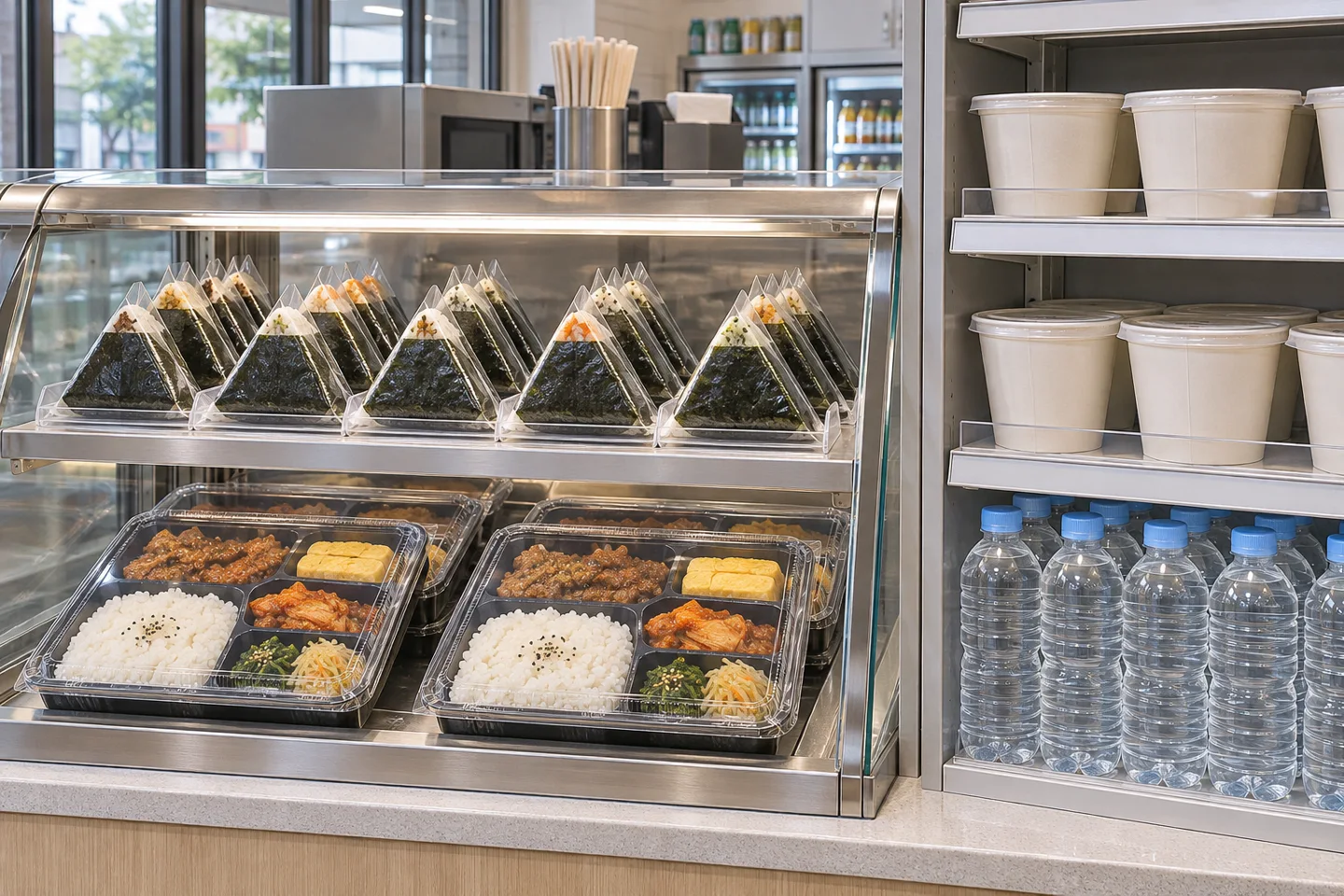
The Korea Tourism Organization's convenience-store overview describes snacks, drinks and prepared foods across chains such as CU, GS25, 7-Eleven and emart24. Its product examples come from an earlier editorial feature, so treat them as an introduction to the variety rather than a shopping list guaranteed to be on sale today.
Start with what you actually need: water for the walk, a small snack or a meal. Check the shelf price and package size. If a promotion catches your eye, ask which items qualify before taking extra products. The offer on one shelf does not necessarily apply to a similar-looking item beside it.
Check the branch's opening hours if you plan to return late. A chain name alone does not confirm the hours, seating or services at a particular location.
Learn three useful food names.
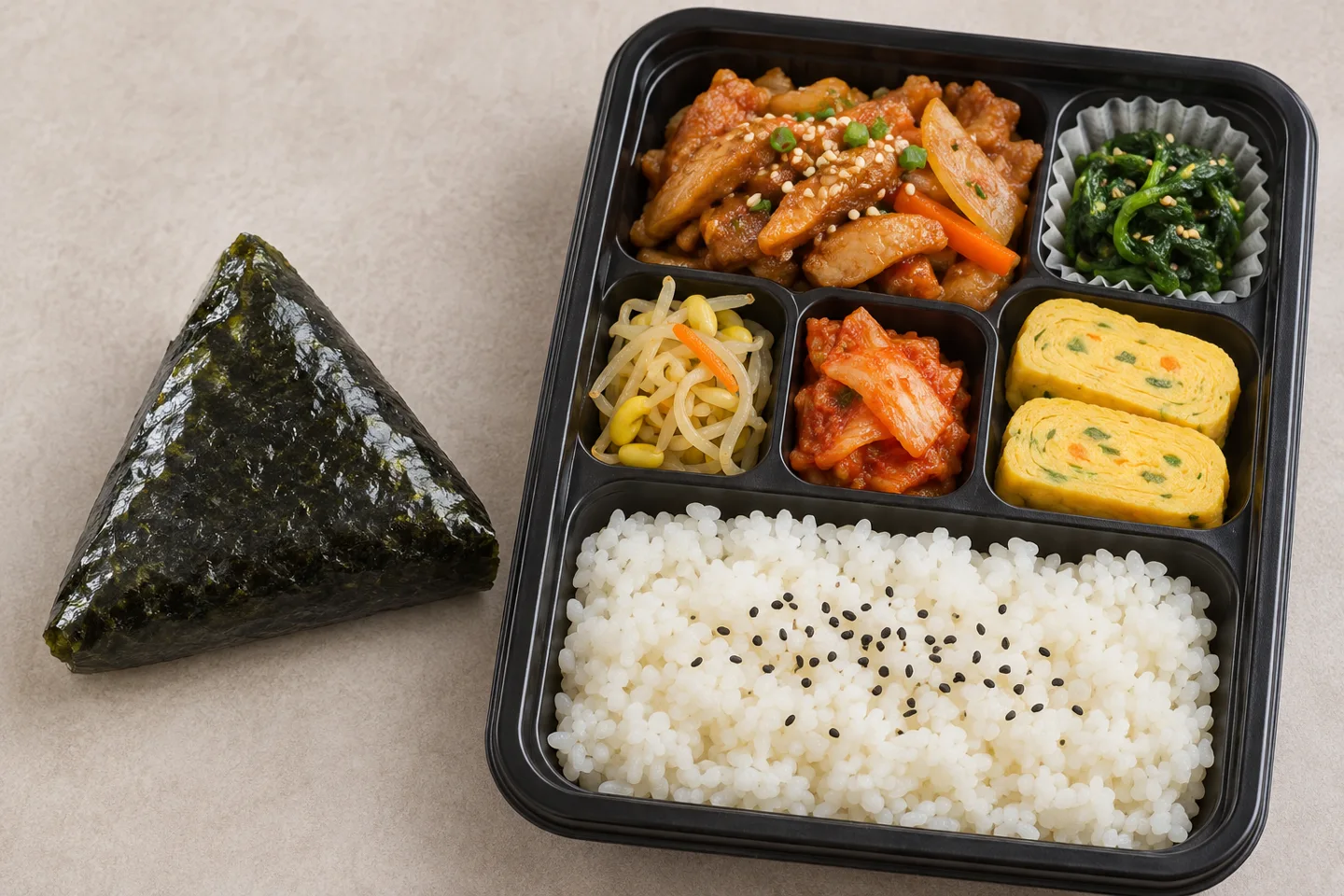
Samgak gimbap is triangle-shaped gimbap; dosirak is a lunch box, often combining rice with several side dishes; and ramyeon is the Korean name commonly used for instant noodles. Visit Seoul introduces these among the foods travelers can encounter in convenience stores.
The name tells you the kind of food, but not everything inside it. Read the exact package for the filling, ingredients, storage information and preparation directions. A picture of vegetables on the front is not a complete ingredient list. If you cannot establish whether a product suits your dietary needs, choose something you can identify clearly.
For a first stop, consider choosing one main item and a drink. You can always try something else another day; there is no need to turn a small snack break into a challenge to sample the entire shelf.
Check before heating or sitting down.
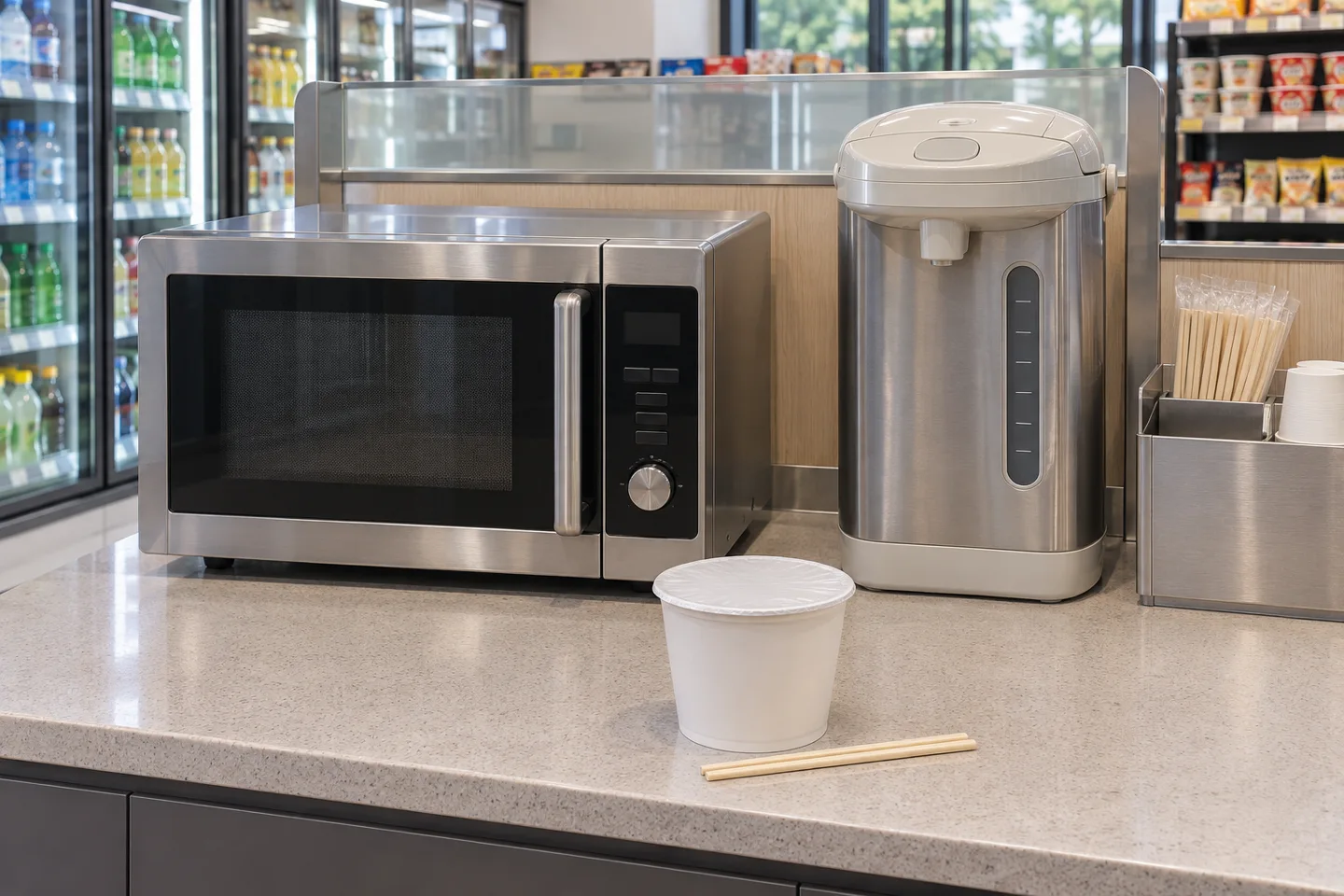
Visit Seoul's food feature includes meals prepared using store equipment. At the branch you visit, check what is available and ask the staff if you are unsure whether or how to use it. Pay before opening your purchase.
Follow the instructions on your specific food package and the appliance. Do not guess a heating time from another product, and do not assume every container belongs in a microwave. Keep the shared counter clear while you prepare your food.
Before planning to eat there, confirm that the store has an available eating area and that customers may use it. Follow the signs for disposing of packaging and leftovers, and leave the space ready for the next person.
Keep the purchase small and the next step easy.
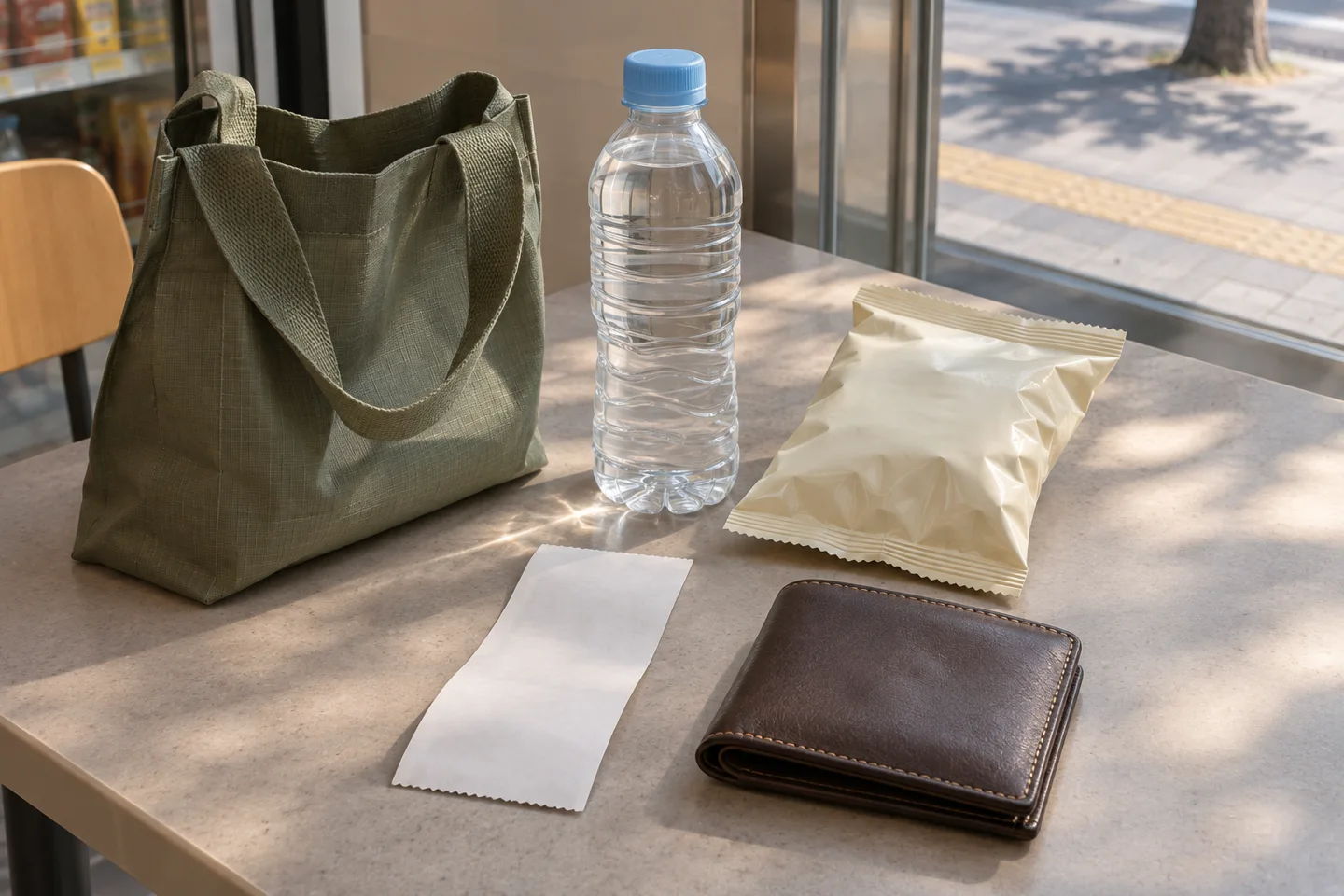
Bring a small reusable bag if you have one. Before paying, ask about anything unclear on the price or promotion, and check that your intended payment method is accepted. Keep the receipt until you have checked the purchase.
If you are carrying food onward, follow its storage instructions and plan when you will eat it. Consider the rules at your next destination before opening it: a shop purchase does not mean food is welcome in every museum, vehicle or indoor space.
A convenience-store stop can stay wonderfully ordinary. Pick what suits the moment, take your bag, and return to the part of Korea you came to explore.
Sources & a note before you go
Official sources checked November 22, 2026. The VISITKOREA feature states that its content was written in September 2023; Visit Seoul's food feature was first published in 2016 and displays a June 18, 2026 edit date. They are used here for general food and store context, not current prices or product availability. Hours, facilities, offers, payment options and stock should be checked at the branch. The practical suggestions above are general travel guidance. All four illustrations are AI-generated and do not document an actual store or visit.