A museum can become another long checklist on a trip. Try a smaller question instead: what would you like to look at closely? The National Museum of Korea in Yongsan is one place to build a visit around that question. These are suggested ways to pace a visit, rather than an official route or a personal visit diary.
Choose a question before a route.
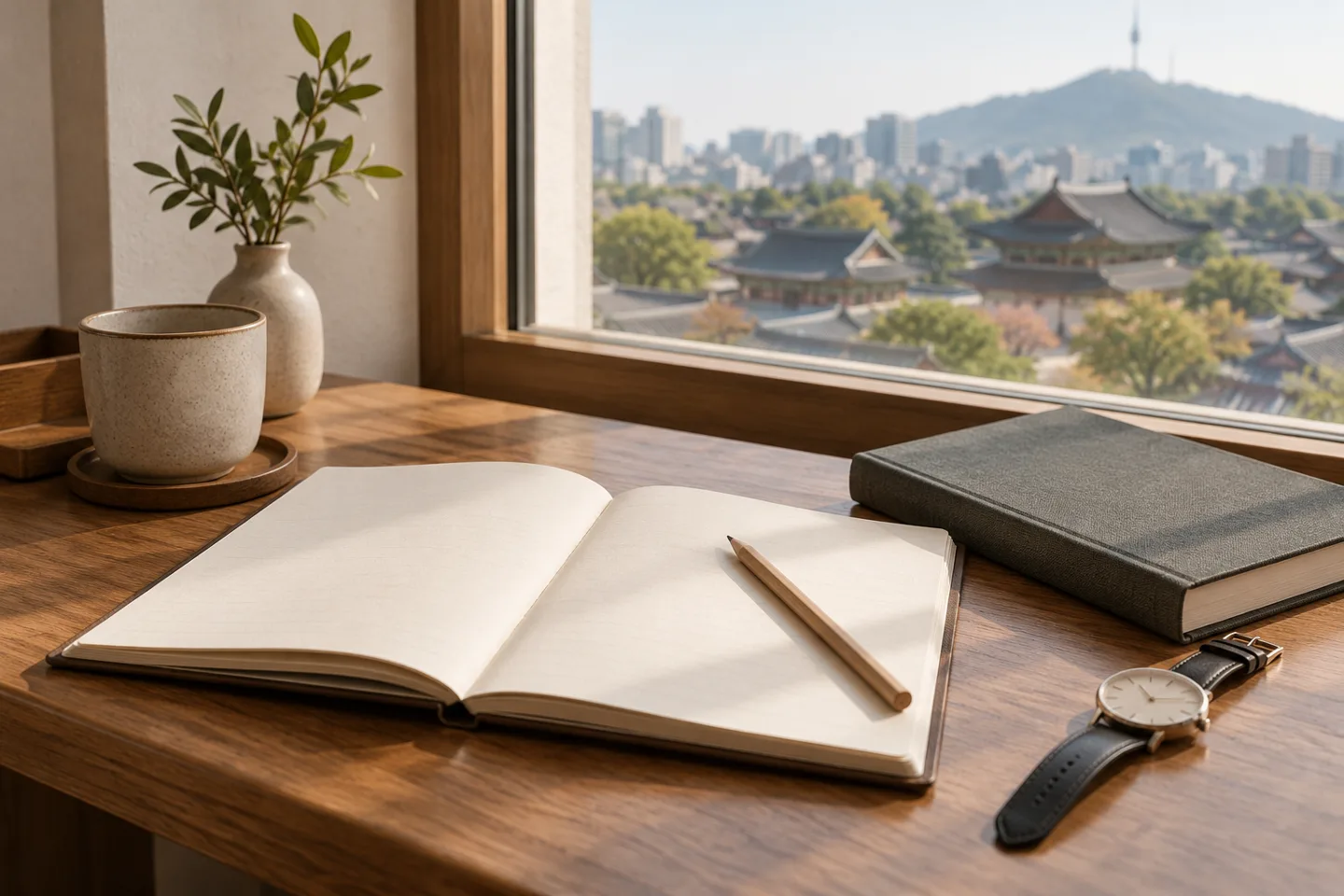
Pick one interest: rounded ceramic forms, carved folds, painted lines, or the spacing around an object. You do not need to know the names in advance. Start with something you can describe in ordinary words.
Then use the museum’s current visitor information and exhibition listings to work out what fits your day. Check opening arrangements, admission or booking requirements and access guidance for the particular exhibition you want to enter. Avoid filling every spare hour before you know your route.
Leave your hands and your schedule a little lighter.
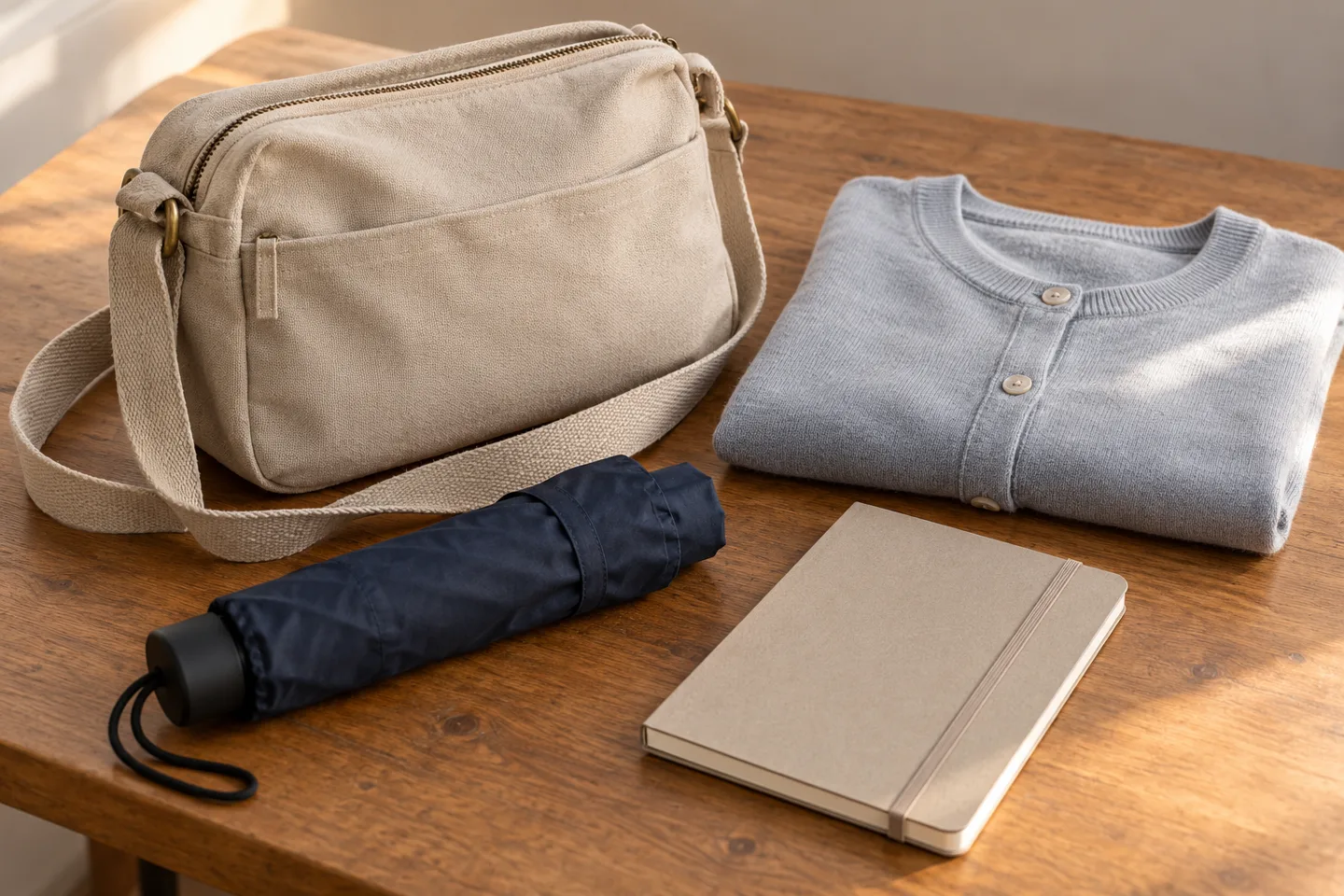
Think about what you will actually use during the visit, and what could make moving through a gallery awkward. A smaller bag and a plan for a break may be more useful than bringing every possible accessory. Check the museum’s current storage and restricted-item guidance before deciding what to carry.
Plan the journey back as well as the journey there. If you are meeting someone afterward, leave enough time to finish looking and find your way out without rushing through the final room.
Separate the outline from the details.
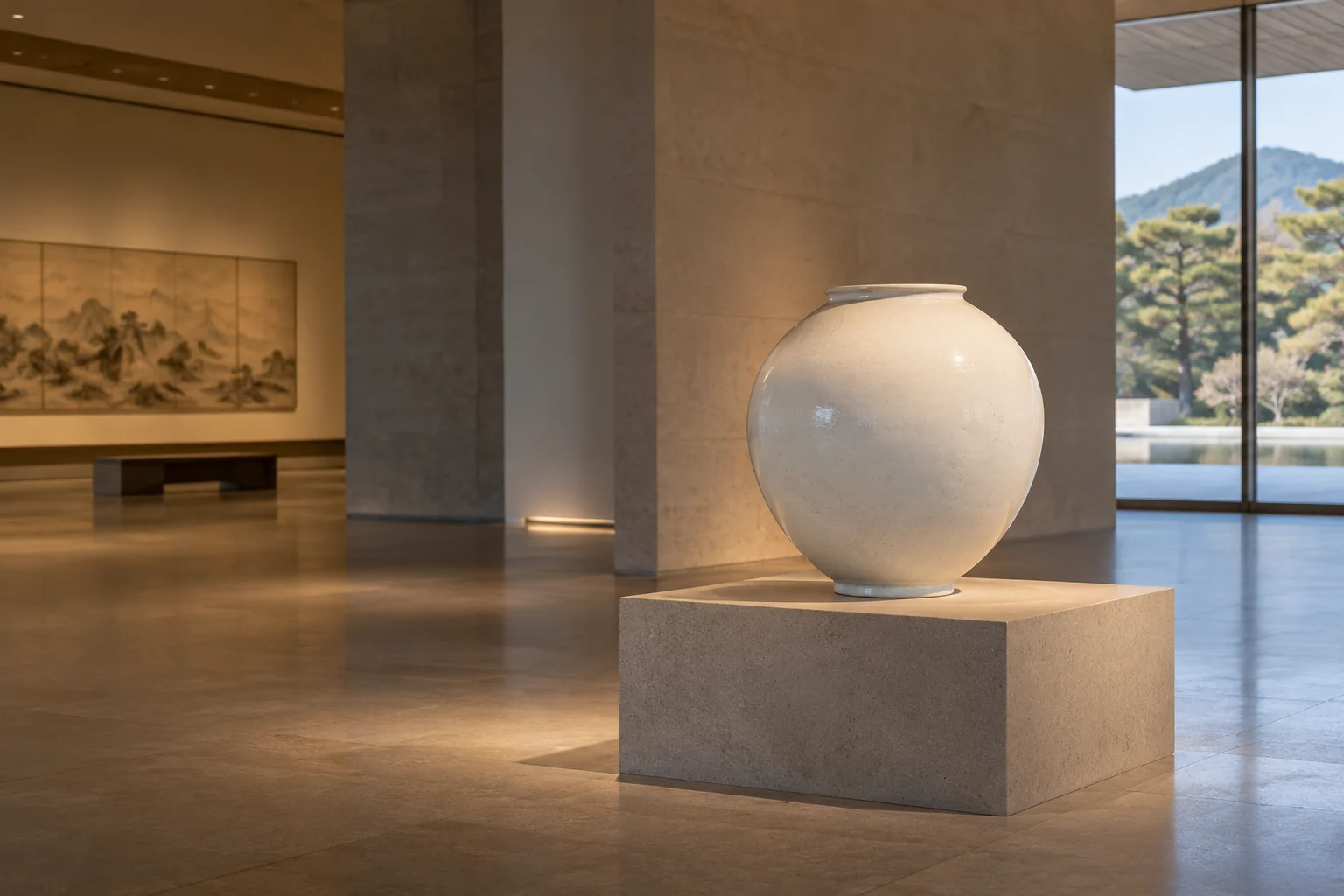
Look from a comfortable distance first. Is the shape broad or narrow? Does the outline feel still, balanced or tilted? Then move your attention to the surface: a change in colour, a small carved edge, a brush mark or a reflection.
The illustration here is an invented example. Use the labels beside real objects to learn their names, dates and context. A visual resemblance on its own cannot tell you who made something or what it meant.
Keep a small memory, not an entire catalogue.
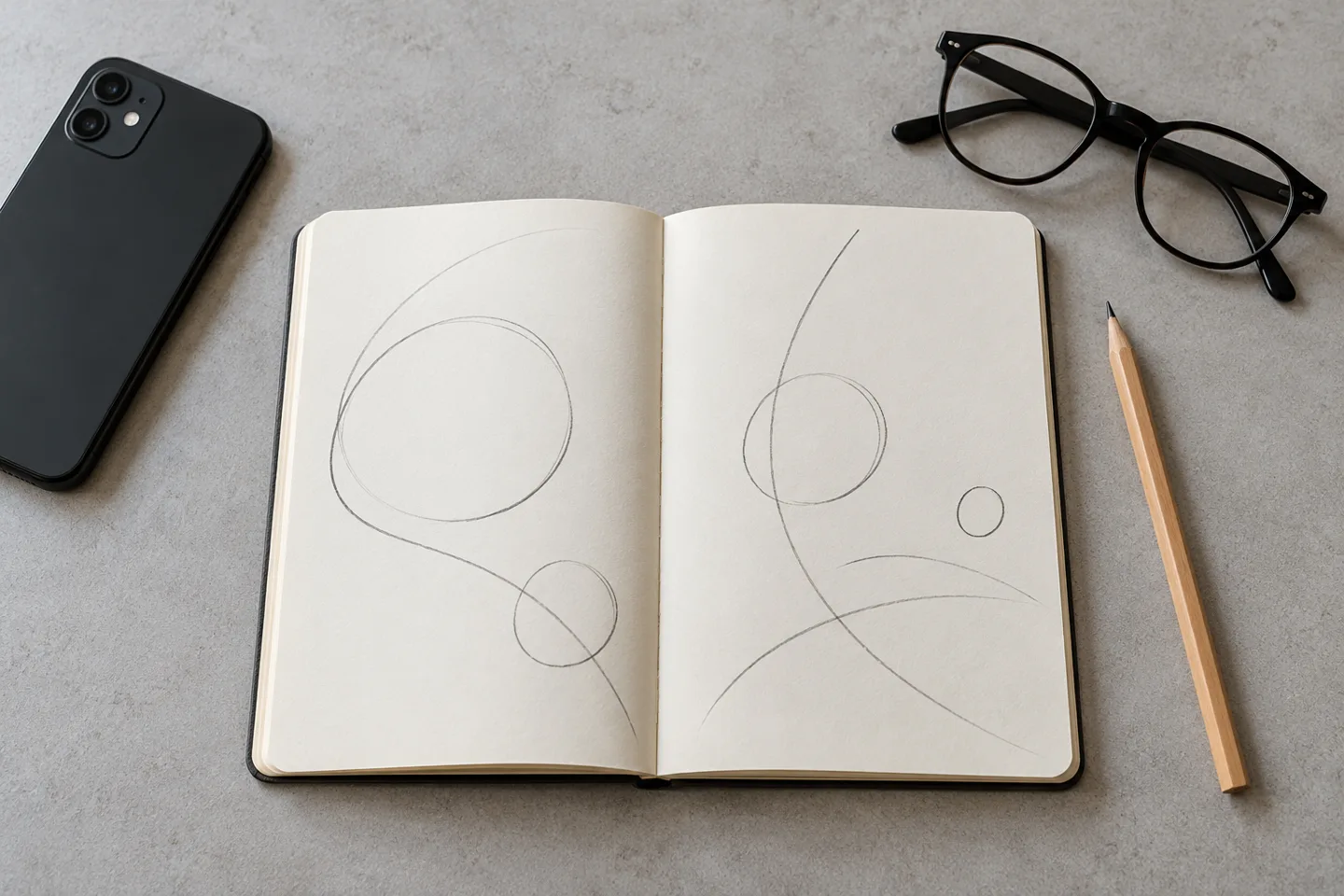
After looking, try writing three words about one thing you noticed. A short description can make you return to the object and see it again. If you want to sketch or take a photograph, first check the museum’s current rules and the signs in that exhibition. Leave space for other visitors.
Later, compare your note with the label or an official collection description. What did you notice first, and what did learning the context change? That small difference can be a more interesting memory than the number of rooms you covered.
Before setting out.
Use the museum’s official pages for current exhibitions, directions, visitor services and any changes to entry arrangements. This guide does not set out prices, opening hours or an official recommended route.
National Museum of Korea — Visitor Information ↗
Official visitor-information page reviewed October 29, 2026. All four images are AI-generated illustrative studies, reused from the Seoul guide; they do not document a visit, actual collection objects or present site conditions.